Everyday independence
Tech & accessibility gadgets
6 min read
Small pieces of everyday technology can quietly hand back independence — turning on lights, answering the door, or controlling the TV without needing to ask for help each time.
Where it helps most
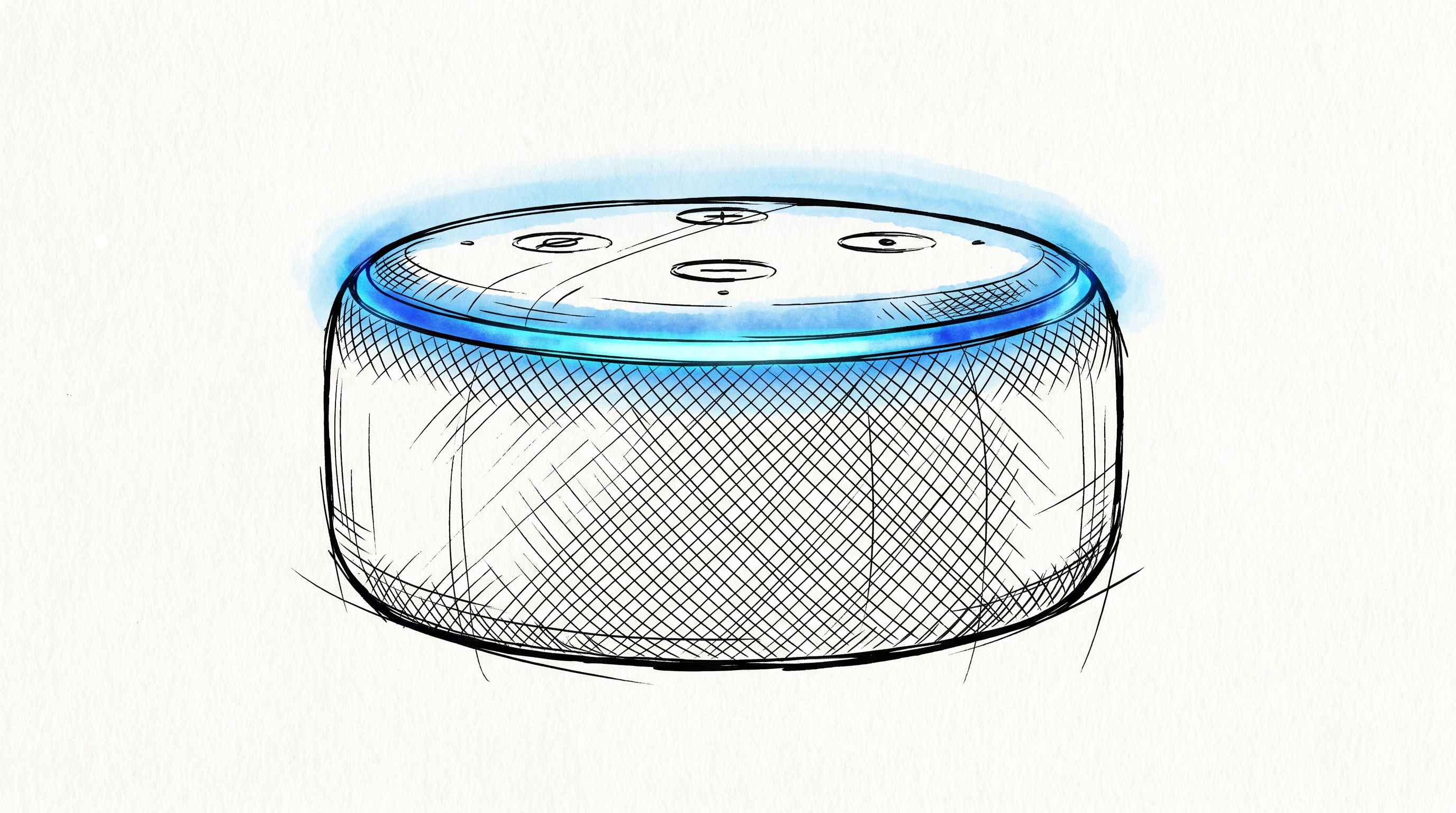
Smart speakers & voice assistants
A voice assistant can set timers, make calls, play music or read messages aloud — useful for anyone whose hands tire quickly, even if speech is still clear.
Smart plugs, lights and door locks
Once lights, heating and door locks are on smart plugs or hubs, they can be controlled by voice or a single tap — no need to get up or fumble with switches.
Adjustable phone and tablet mounts
A gooseneck or bed-rail mount holds a phone or tablet exactly where it's needed, keeping video calls, entertainment and communication apps within easy reach.
Switch-accessible controls
As hand strength changes, a single large switch can be wired to operate a TV, call bell or environmental control unit — worth setting up before it's the only option.
What I'd tell myself earlier
Start with one or two smart devices rather than a whole system — it's easier to learn, and easier to trust, a little at a time.